
The New Era of AI-Powered Protein Design | César Ramírez-Sarmiento | TED
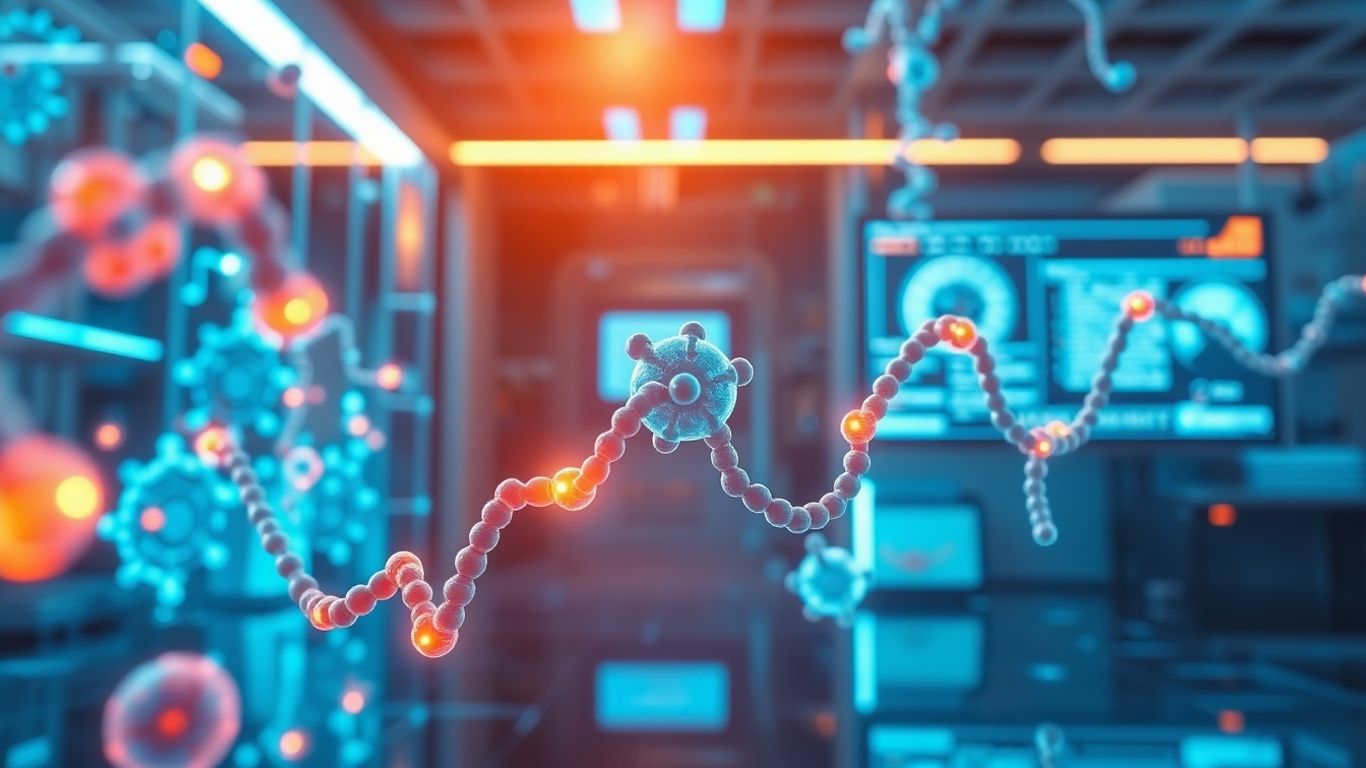
Proteins are the tiny workhorses of our cells, made from 20 different amino acids linked together like beads on a string. These amino acids arrange themselves into unique 3D shapes, dictating their specific jobs. From digesting our food to sending electrical signals in our brains and regulating our genes, proteins are essential for life. They've been evolving for millions of years, perfected by nature for their tasks.
But what happens when we face big problems like plastic pollution, climate change, or serious health issues? We can't wait thousands of years for nature to evolve solutions. That's where protein engineering comes in. It's about tweaking the amino acid sequence of a protein to improve its properties, essentially giving nature a nudge in the right direction.
The AI Revolution in Protein Design
This is where artificial intelligence (AI) has become a game-changer. In just the last five years, AI has made incredible strides in designing proteins we never thought possible. These tools can create new protein structures and shapes with specific functions, tailored to solve all sorts of problems.
Key Takeaways
- AI has dramatically improved the success rate of protein design, from less than 1% to 10-20%.
- This allows scientists to create novel proteins for biomedical and environmental challenges.
- There's a growing movement to build AI-driven protein design capabilities in Latin America.
Before AI, the success rate for designing a functional protein was pretty low – maybe one in a hundred. Now, with AI, we're seeing success rates of 10 to 20 percent. This means that out of 100 designed proteins, about 20 might actually work, and some could even be better than existing ones.
Creativity in Science
When I was a kid, I was drawn to art for its creative freedom. But in high school, I chose science, believing it offered a greater way to help society. Looking back, though, both art and science are amazing playgrounds for creativity. For scientists, AI is just another tool that helps us come up with creative solutions to complex problems.
A Future for Latin America
My dream for the future of protein engineering is to see a strong community of scientists and designers in Latin America. This would allow us to develop solutions for problems that are unique to our region. Often, we're not fully aware of the advances happening elsewhere in the world, but there's a lot of interest in creating new proteins here.
By building a critical mass of scientists in places like Chile, we can tackle these challenges head-on. We're actively working on educating the next generation of scientists in Latin America about how to use these powerful AI tools. The belief is that by coming together, we can achieve much more than we could individually.
We can explore new compositions of nature that haven't been discovered yet. In the world of proteins, this means venturing into uncharted territory that nature hasn't explored. By navigating these vast landscapes of different protein structures and sequences, we can find solutions to some of the most pressing problems facing humanity.