
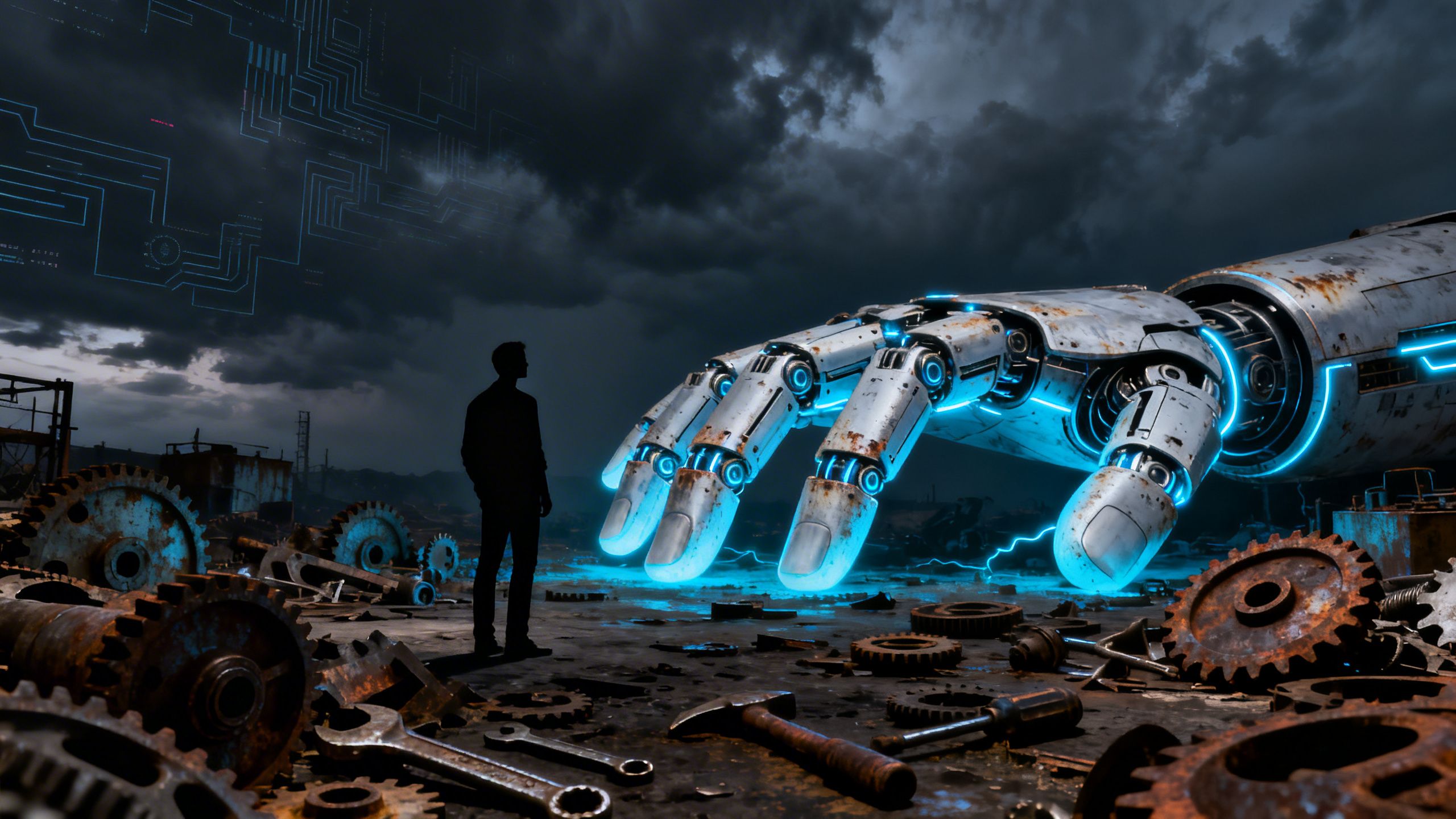

Former Twitter CEO Jack Dorsey has issued a stark warning about the potential impact of artificial intelligence, predicting widespread job displacement and a significant shift in corporate power. His blunt assessment has ignited a fervent debate among industry leaders, economists, and the public regarding the societal and economic ramifications of rapidly advancing AI technologies.
Key Takeaways
- Jack Dorsey's AI warning focuses on job displacement and corporate profit.
- The debate centres on the societal and economic consequences of AI.
- Concerns are rising about the concentration of power and wealth.
The Looming Threat of Job Displacement
Dorsey's comments highlight a growing concern that AI could automate a vast number of jobs across various sectors, leading to significant unemployment. This potential disruption raises questions about the future of work and the need for societal adaptation, including reskilling initiatives and potential new economic models.
Corporate Profits vs. Societal Well-being
A central theme in the ensuing discussion is whether the benefits of AI will be broadly shared or primarily accrue to a select few corporations. Critics argue that without proper regulation and ethical considerations, AI could exacerbate existing inequalities, leading to increased corporate profits at the expense of worker livelihoods and broader societal well-being.
A Call for Responsible AI Development
The debate spurred by Dorsey's warning underscores the urgent need for a more nuanced and responsible approach to AI development and deployment. Stakeholders are calling for proactive measures to mitigate the negative impacts, ensuring that AI serves humanity rather than undermining it. This includes discussions on ethical guidelines, regulatory frameworks, and strategies to ensure a just transition for affected workers.