
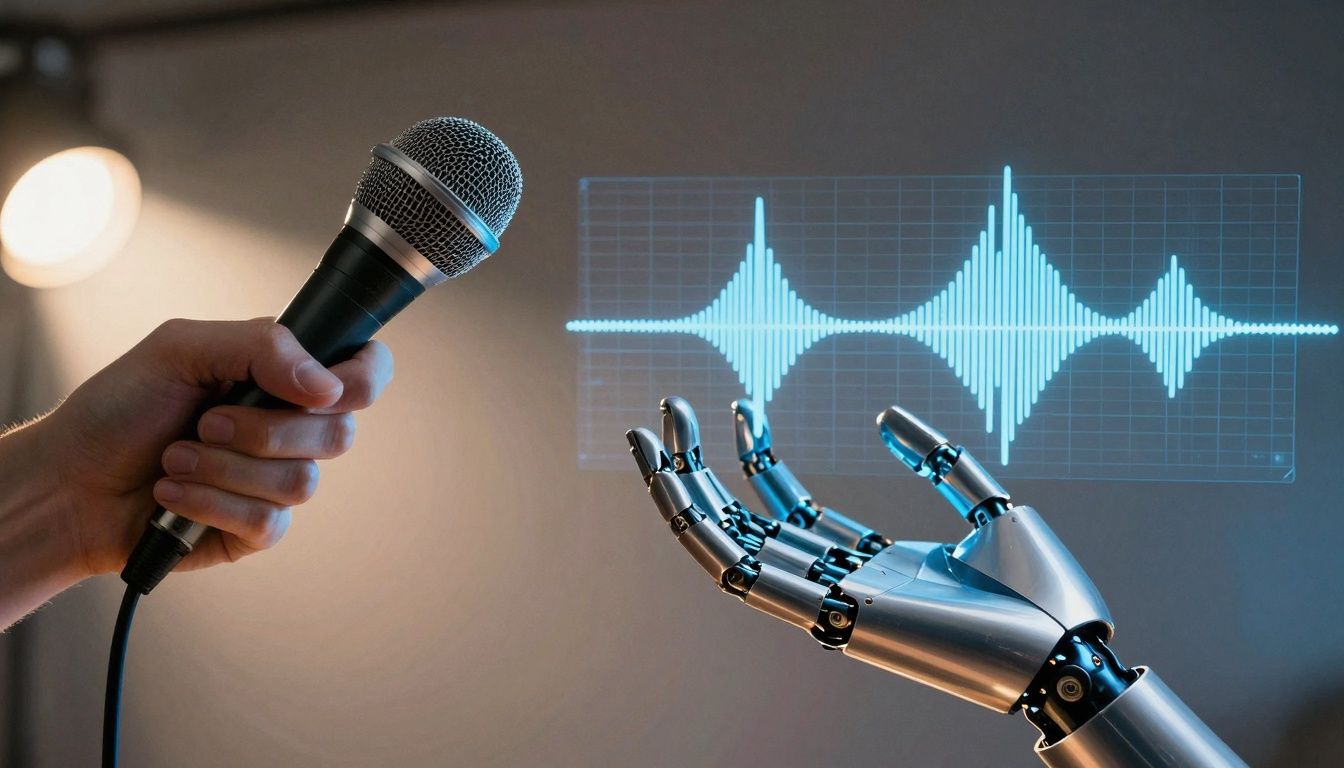

Streaming services are facing mounting pressure from artists and industry professionals to address the proliferation of AI-generated music. Concerns range from unauthorized vocal impersonation and fraudulent uploads to the dilution of royalty pools and the potential for artistic deception. In response, platforms are implementing new policies and safeguards to combat misuse.
Key Takeaways
- Streaming platforms are introducing new policies to combat AI-generated music fraud.
- These measures aim to prevent unauthorized vocal impersonation and fraudulent uploads.
- New spam filters and disclosure standards are being implemented.
- The goal is to protect authentic artists and maintain the integrity of the music ecosystem.
The Rise Of AI Music And Artist Concerns
Generative AI technology has advanced to a point where AI-created music is increasingly sophisticated, making it difficult for listeners to distinguish from human-made tracks. This has led to a surge in AI-generated content being uploaded to streaming platforms, sometimes appearing on legitimate artists' profiles without their consent. Musicians like Emily Portman and Paul Bender have reported instances of AI music mimicking their style and lyrics, leading to fan confusion and concerns about intellectual property theft. The ease with which fraudulent content can be uploaded has been described by some artists as "the easiest scam in the world."
Platform Responses And New Policies
In response to these growing concerns, major streaming platforms, particularly Spotify, are rolling out new policies. Spotify has announced the removal of tens of millions of AI-generated tracks and is implementing stricter guidelines. These include a new policy against unauthorized vocal impersonation, often referred to as "deepfakes," which now requires explicit artist authorization for any vocal cloning. The platform is also enhancing its spam filters to detect and flag bulk uploads, duplicate songs, and artificially short tracks designed to exploit the royalty system. Furthermore, Spotify is collaborating with industry partners to develop an industry-standard system for disclosing the role of AI in music creation.
Combating Fraudulent Uploads And Impersonation
A significant focus of the new policies is to prevent fraudulent uploads that hijack artists' profiles. Platforms are working with distributors to implement preventative measures at the source and are improving systems for artists to report "content mismatches" more quickly. The issue of AI-generated songs appearing on memorial artist pages, such as in the case of Blaze Foley and Guy Clark, has also drawn criticism, highlighting the need for robust verification processes. These incidents underscore the potential for AI to be misused by bad actors to deceive listeners and divert royalties away from legitimate creators.
Protecting The Music Ecosystem
While acknowledging the potential of AI to unlock new creative avenues for artists, platforms emphasize their commitment to combating its misuse. The aim is to protect the integrity of the music ecosystem, ensuring that authentic artists can build their careers without being overshadowed by fraudulent or deceptive AI-generated content. By strengthening protections against impersonation, spam, and lack of transparency, streaming services hope to foster a more trustworthy environment for artists, rightsholders, and listeners alike.