
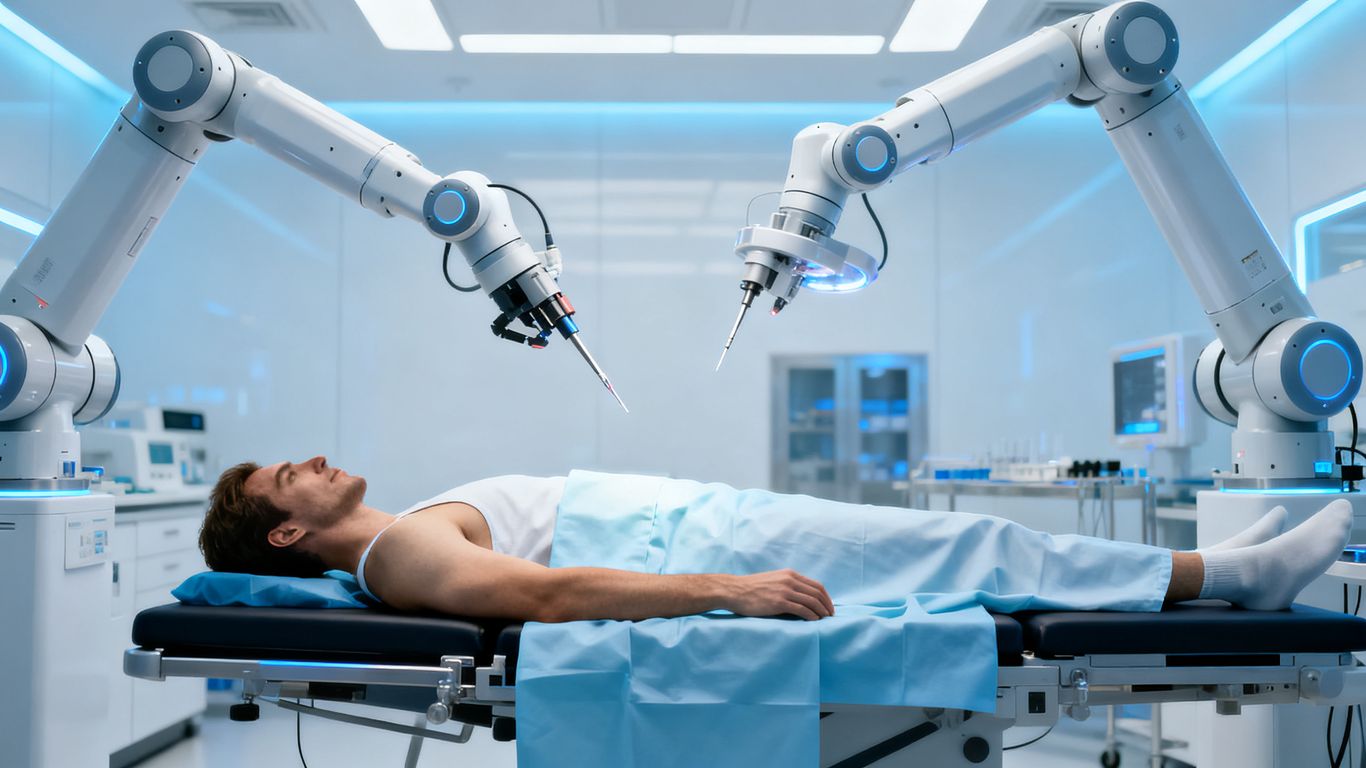

The integration of artificial intelligence into operating rooms, once hailed as a revolutionary step forward, is now facing scrutiny. Reports are emerging of surgical errors, including botched procedures and the misidentification of body parts, raising serious questions about the safety and reliability of AI-assisted surgery.
Key Takeaways
- Emerging reports indicate potential surgical errors linked to AI implementation in operating rooms.
- Concerns include botched procedures and the misidentification of body parts.
- The medical technology sector, including major players like Medtronic, is heavily involved in developing AI-driven surgical tools.
The Rise of AI in Surgery
Artificial intelligence is increasingly being deployed in operating theatres to enhance precision, assist surgeons with complex procedures, and improve patient outcomes. Technologies range from AI-powered imaging analysis to robotic surgical systems guided by intelligent algorithms. The potential benefits are significant, promising to reduce human error and enable minimally invasive techniques.
Emerging Concerns and Incidents
Despite the optimistic outlook, a growing number of anecdotal reports and investigations suggest that the reality of AI in surgery is more complex. Incidents of surgical mistakes, such as operating on the wrong site or using incorrect instruments, have been linked to the introduction of these advanced technologies. The complexity of AI systems means that errors can be subtle and difficult to trace, leading to patient harm.
Industry Involvement and Future Outlook
Major medical technology companies, such as Medtronic, are at the forefront of developing and marketing AI-integrated surgical equipment. Medtronic's diverse portfolio includes systems for general surgery, cardiac rhythm management, spinal technologies, and diabetes management, many of which are incorporating AI capabilities. As these technologies become more widespread, the need for robust regulatory oversight and rigorous testing becomes paramount. The industry faces the challenge of ensuring that AI enhances, rather than compromises, patient safety in the critical environment of the operating room.